Decrease
Decrease at the half the time for providing to Command Centers COP and mobilize the necessary forces, call for extra support, and/or initiate UCPM.

Reduce
Reduce time needed for mobilizing the necessary First Responders matching needs with skills and specialties.

Improve
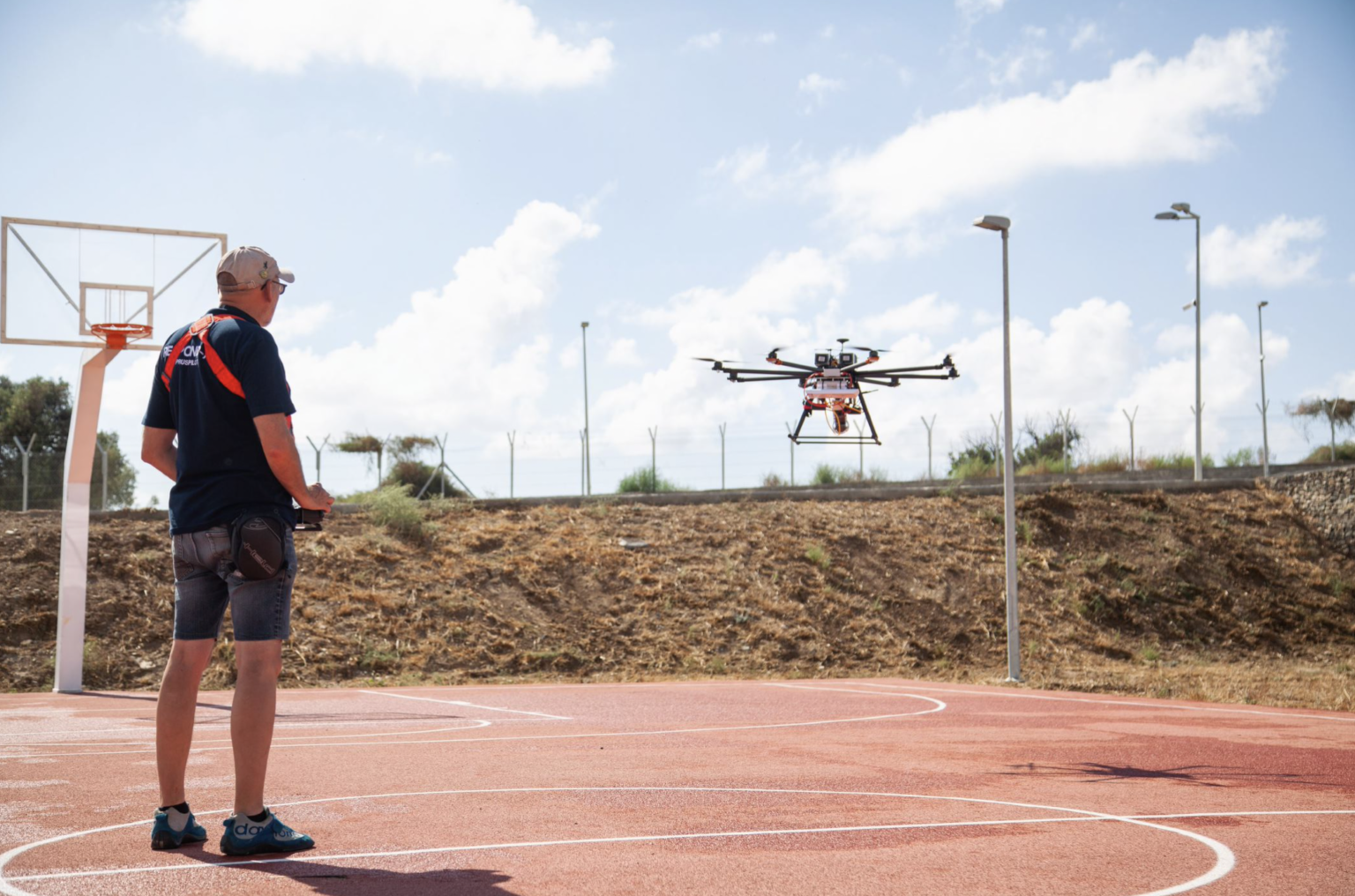
Improve or establish new Standard Operating Procedures (SDOs) for complex emergencies, joint teams work, interaction with unmanned vehicles, and equipment that will allow catch new technologies’ potential to improve decision making at the field and at Command Centers.

Test
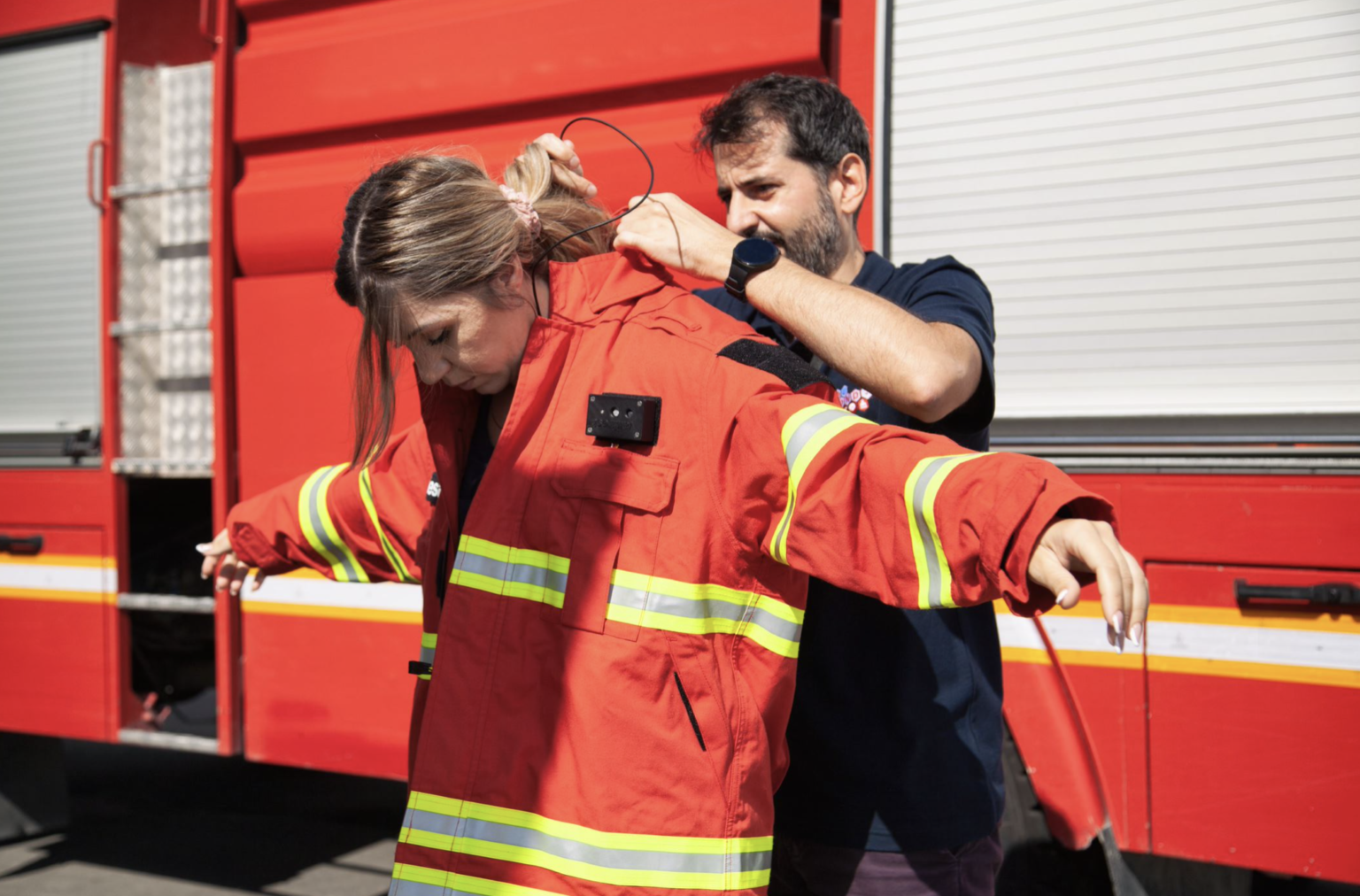
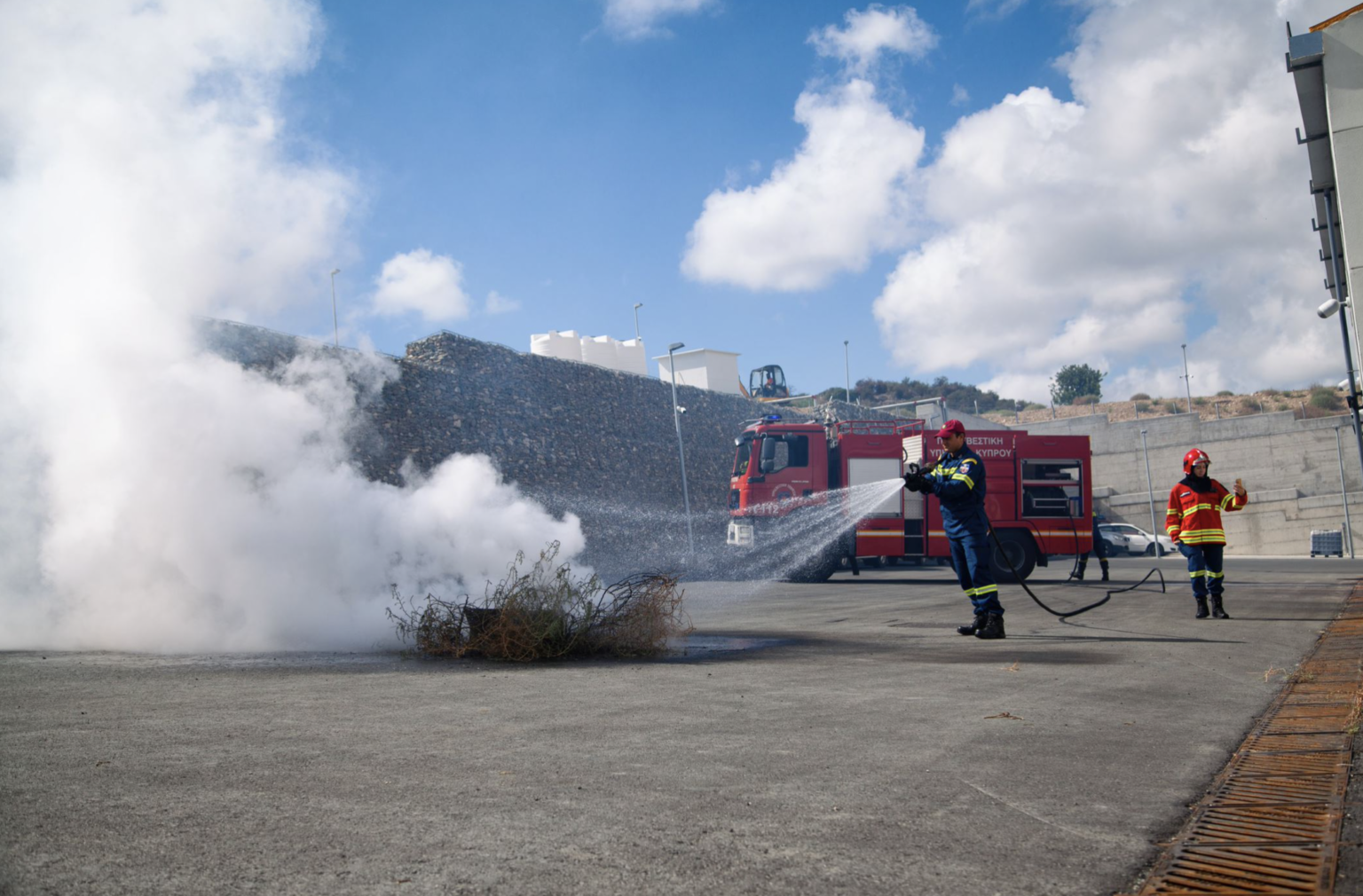
Test protective means for First Responders that will allow them to operate in complex environments with multiple threats such as fire, smoke, toxic ingredients, having protection against all of them above the average.

Increase
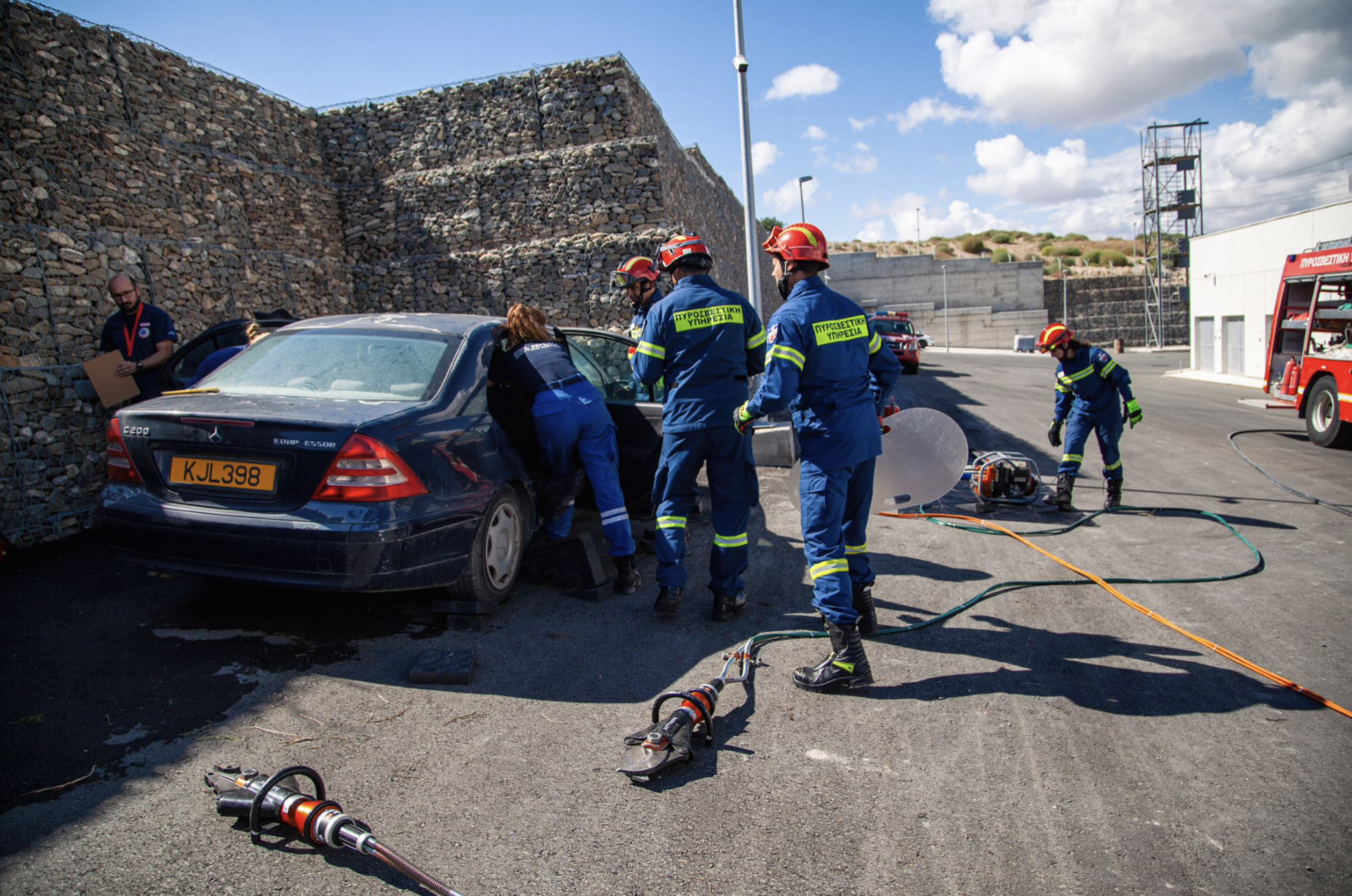
Increase level of protection of First Responders against risks at complex emergencies (fire, smoke, chemicals, etc.)

Improve
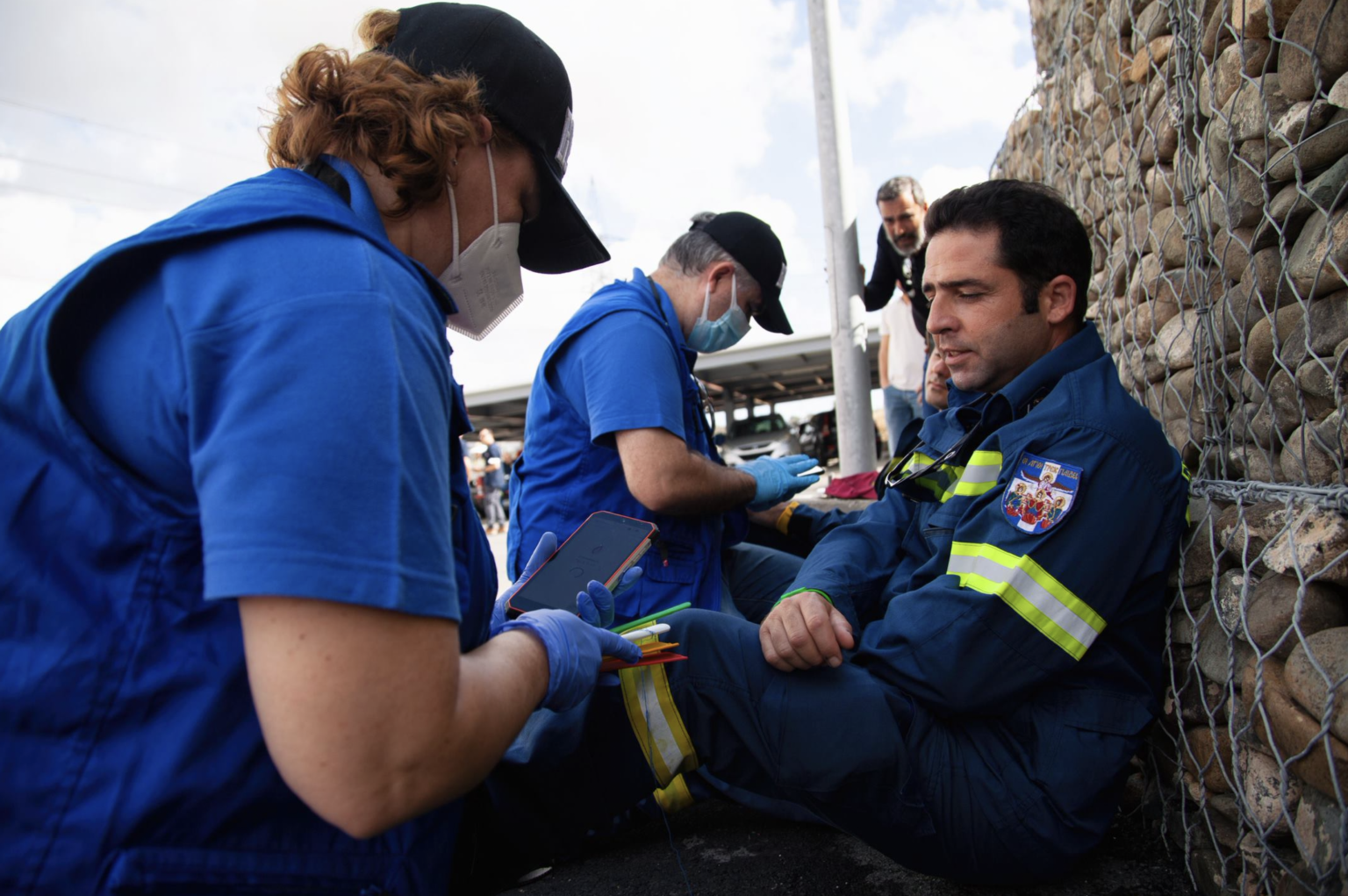
Improve health and safety conditions of First Responders, and reduce time for their recovery after the emergency.

Increase
Increase the percentage of forces allocated at emergencies based on reliable, verified information.

Test
Test new communication technologies that will allow high quality, uninterrupted communication between Command Centers (including mobile ones) and First Responders cooperating with drones, robots, and sensors.

Provide
Provide advanced communication tools for intra-team and inter-team communication of First Responders in the field, increasing their safety, replacement in duties, joint operations, etc.

Reduce
Reduce time for setting up the emergency logistics supply chain.